Standard rTMS
Evidence-based magnetic stimulation delivered in a structured outpatient course for eligible patients with treatment-resistant depression.
 Physician-led interventional psychiatryRequest a consultation
 Precision brain health · Greenwich, Connecticut
Advanced, evidence-based care for depression, OCD, and complex mood disorders, built around your history, symptoms, and goals.
Board-certified psychiatry · In-person care in Greenwich · Measurement-based outcomes

In-network options
Benefits verified before treatment
Measurement-based
Progress tracked at planned intervals
Greenwich, CT
100 Melrose Avenue, Suite 101
The NeuroSynchrony difference
We combine psychiatric assessment, targeted brain stimulation, objective measurement, and practical cognitive support. The aim is not novelty for novelty’s sake. It is a more disciplined treatment plan.
Treatment options
TMS is not a single protocol. We select the approach only after evaluating diagnosis, prior treatment, safety, time constraints, and the strength of the evidence.
Evidence-based magnetic stimulation delivered in a structured outpatient course for eligible patients with treatment-resistant depression.
A shorter stimulation pattern that can reduce time in the treatment chair when clinically appropriate and covered by the patient’s plan.
Multiple carefully spaced sessions over a shorter period, considered individually after psychiatric and safety evaluation.
Objective brain activity measurements can supplement clinical assessment and help us formulate individualized treatment questions.
Clear about the evidence
We provide evidence-based TMS for eligible patients with major depressive disorder and obsessive-compulsive disorder using appropriate devices and protocols.
Other applications are considered case by case. Their off-label status, evidence limitations, alternatives, and financial implications are discussed before consent.
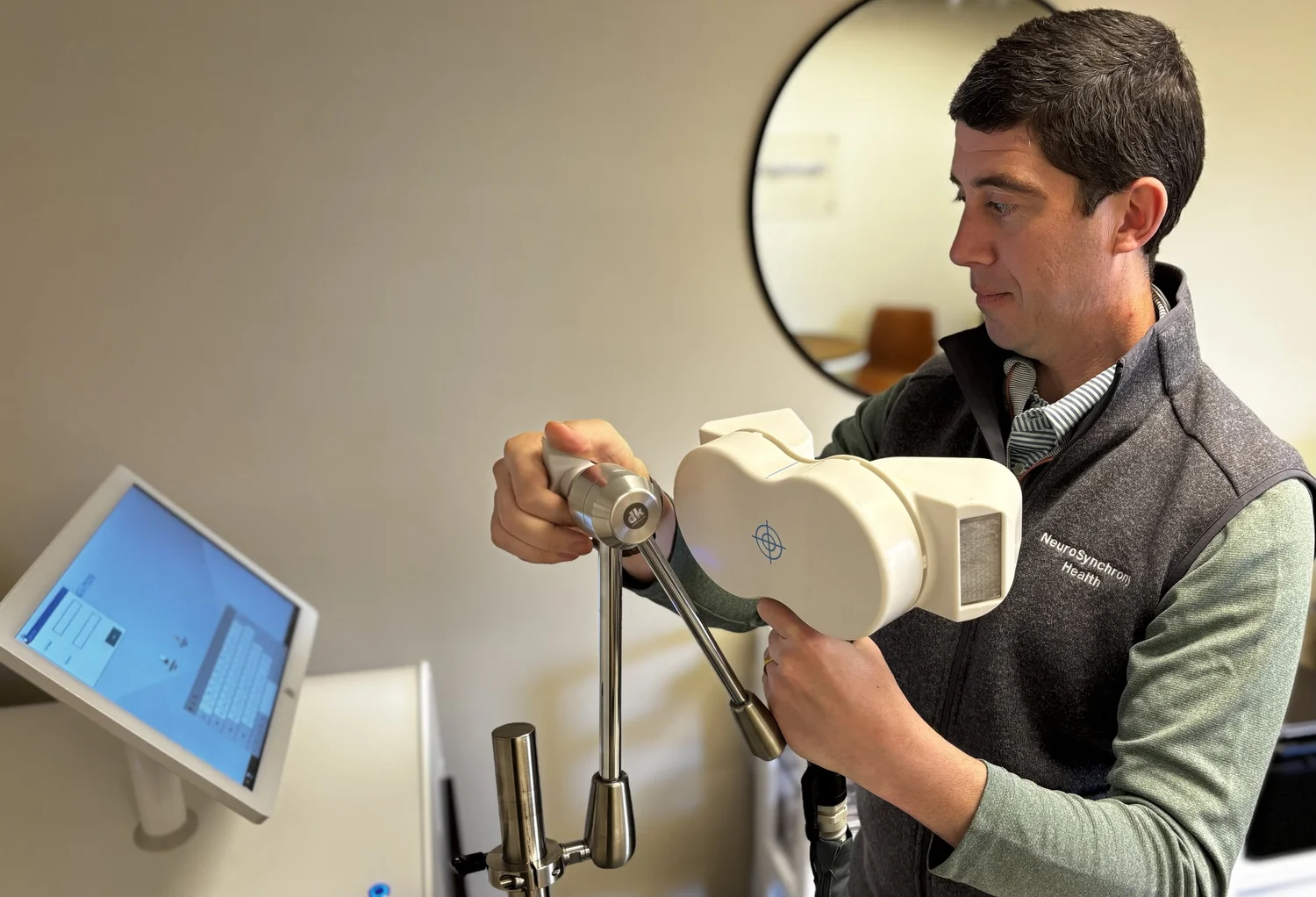
Clinical decisions first. Technology second.
How it works
A focused psychiatric evaluation clarifies symptoms, prior treatment, medical history, goals, and whether TMS is a sensible next step.
We select the target, protocol, and intensity using clinical evidence, motor-threshold testing, and additional data when indicated.
Sessions are delivered in our Greenwich clinic with regular symptom measurement and tolerability checks.
We review progress at planned intervals and adjust the course only when the data and clinical picture support it.
Coverage and access
We work with several major commercial insurers. Participation and coverage vary by plan, diagnosis, and protocol, so our team verifies benefits and discusses expected costs before treatment.
The clinical team
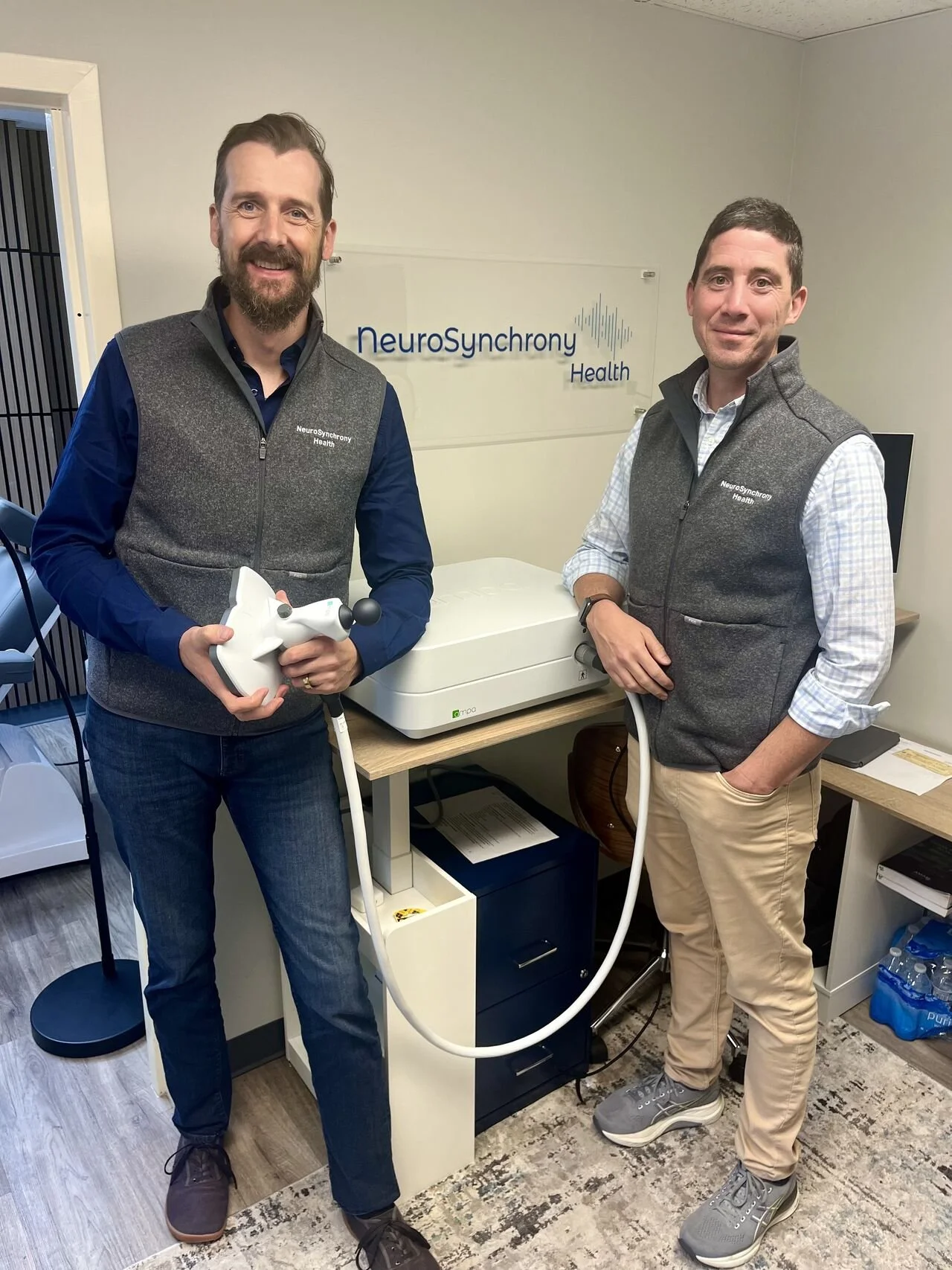
NeuroSynchrony Health brings together psychiatry, brain stimulation, and cognitive remediation in one focused Greenwich practice.
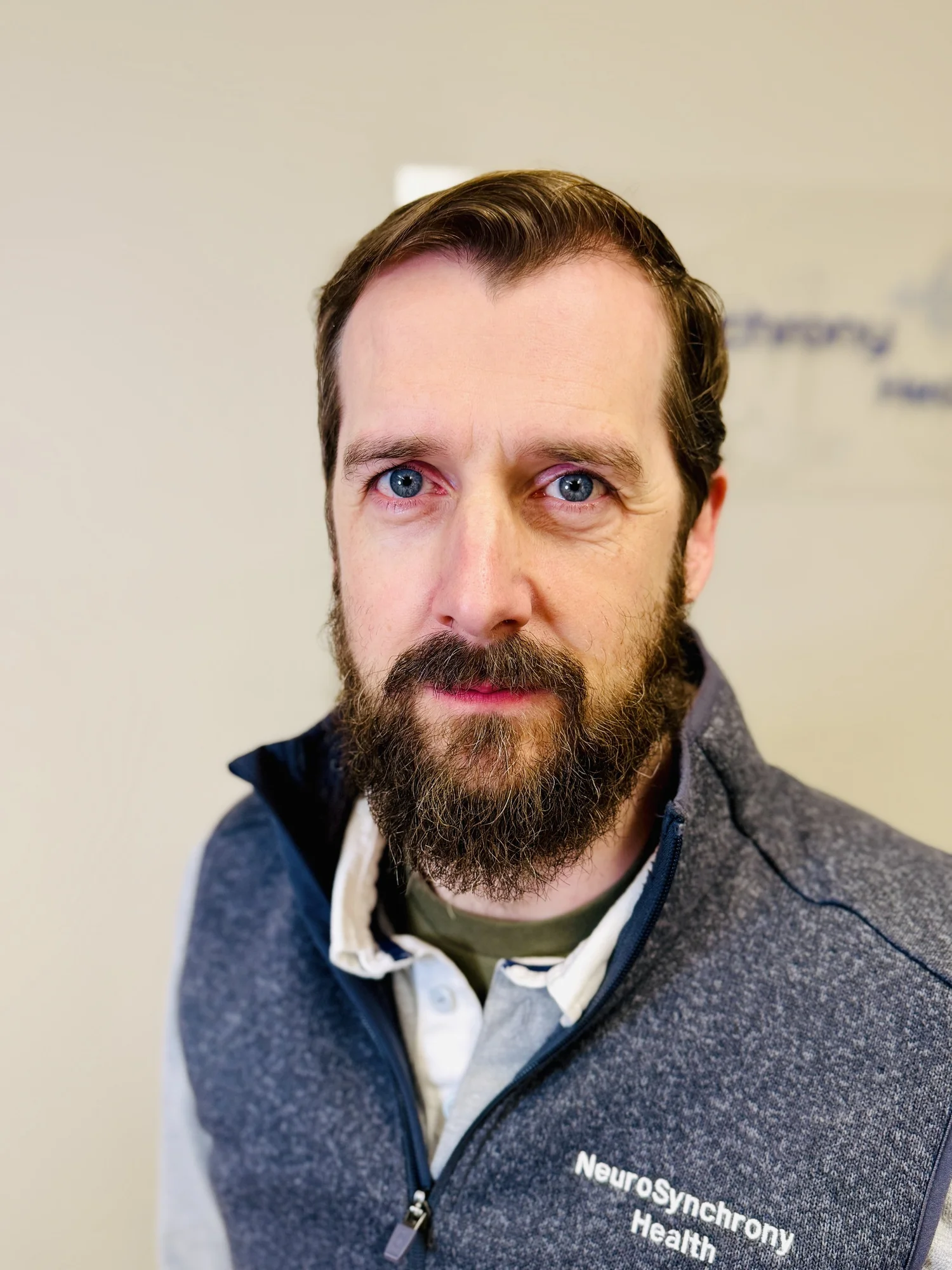
Co-founder · Medical director
Board-certified psychiatrist licensed in Connecticut and New York, with nearly two decades of experience across outpatient, emergency, Veterans Health Administration, and academic settings.

Co-founder
Cognitive remediation specialist with more than 15 years of experience in mental health and executive-function support.

Clinician
Provides psychotherapy and practical cognitive support within NeuroSynchrony’s integrated care model.
For referring clinicians
We welcome questions about candidacy, protocols, insurance requirements, and coordination of care. Please do not send protected health information through ordinary email.
Common questions
TMS devices are FDA cleared for specific indications, protocols, and patient populations. Depression and OCD are among the established indications we treat. Other uses may be off-label and are discussed explicitly before treatment.
Many commercial plans cover TMS for major depressive disorder when medical-necessity criteria are met. Coverage varies by diagnosis, plan, prior treatment, and protocol. We verify benefits before treatment begins.
Patients remain awake and seated. Magnetic pulses create a tapping sensation at the scalp. Headache or local discomfort can occur, particularly early in treatment, and is monitored at every visit.
Response timing varies. Some patients notice change during the treatment course; others improve later or do not respond. We use standardized measures so decisions are based on more than a good or bad afternoon.
Start with a conversation
A consultation is an evaluation, not a commitment to treatment. We will review the clinical picture, answer direct questions, and explain what is established, what is off-label, and what insurance may require.
For privacy, do not include diagnoses, medication lists, or other sensitive health information in ordinary email.